Introduction
A car accident is one of the most disorienting experiences a driver can have. In the seconds after impact, your adrenaline is pumping, your thoughts are racing, and it can be genuinely difficult to know what to do next. Yet what you do in the minutes and hours immediately following a collision can have a significant impact on your safety, your insurance claim, and the quality of the repairs your car receives.
Whether it is a minor fender bender in a New York City parking lot or a more serious highway collision, the steps are largely the same. This guide walks you through exactly what to do after a car accident in New York — clearly, calmly, and in order.
Step 1: Stop, Breathe, and Check for Injuries
The very first thing to do is stop your vehicle. Under New York State law, leaving the scene of an accident without stopping is a criminal offense, even in a minor collision. Pull to a safe location if possible — out of moving traffic — but do not leave the scene.
Before anything else, check yourself and your passengers for injuries. Adrenaline can mask pain in the immediate aftermath of a collision, so take a moment to genuinely assess how everyone feels. If anyone is injured, call 911 immediately. Do not attempt to move an injured person unless there is an immediate danger, such as fire — moving someone with a spinal injury can cause serious additional harm.
Step 2: Call the Police
In New York, you are required by law to report any accident involving injury, death, or property damage exceeding one thousand dollars. Given that even minor collision repairs in New York frequently exceed this threshold, calling the police is almost always the right move.
A police report creates an official record of the accident — who was involved, the location, the time, and the initial assessment of what happened. This document is important for your insurance claim and, if the accident leads to any legal proceedings, as evidence of what occurred. Always request the report number before the officer leaves the scene.
Step 3: Move to Safety and Turn on Hazard Lights
If the vehicles are drivable and it is safe to do so, move them to the side of the road or into a parking lot to prevent further accidents and allow traffic to flow. New York’s Move Over law requires drivers to move their vehicles if they are blocking traffic and it is safe to do so. Turn on your hazard lights immediately — both to alert other drivers and to comply with safety requirements.
If the vehicles cannot be moved, set up warning triangles or flares behind them if you have them, and remain in a safe location away from moving traffic while you wait for police and emergency services.
Step 4: Exchange Information With the Other Driver
Once everyone is safe, exchange the following information with every other driver involved:
- Full legal name and contact number
- Driver’s license number and state of issue
- Vehicle registration number and state
- Insurance company name and policy number
- License plate number
In New York City and surrounding areas, it is worth being aware that not every driver will be cooperative. Stay calm, do not argue about fault, and focus on gathering the factual information you need. If a driver refuses to provide insurance information, note it for the police officer.
Step 5: Document the Scene Thoroughly
Your smartphone is one of the most valuable tools you have at an accident scene. Use it to document everything before vehicles are moved if possible:
- Wide shots of both vehicles showing their positions relative to each other and the road
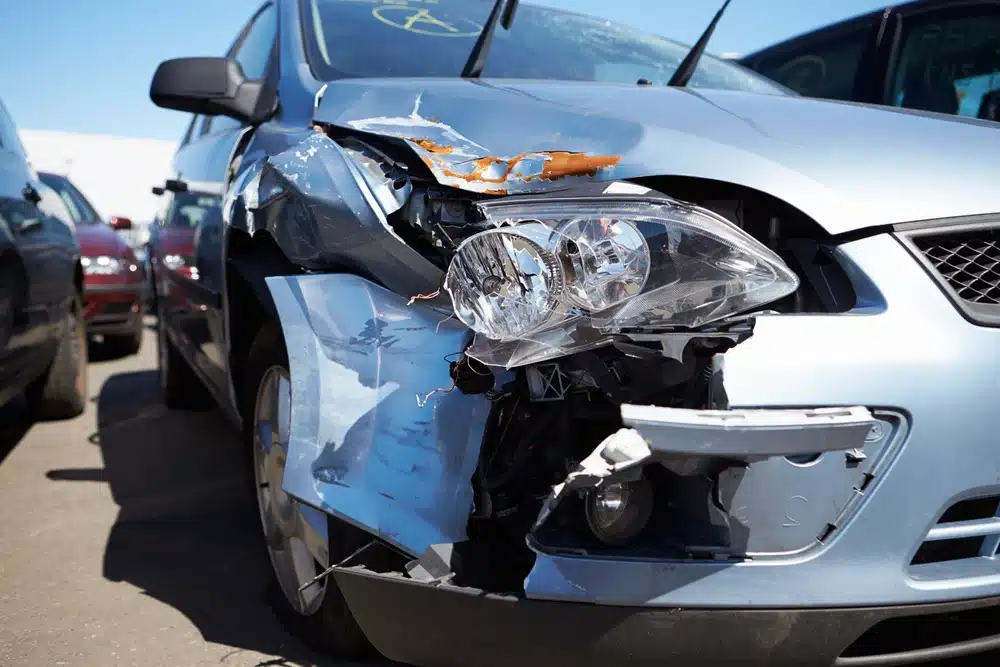
- Close-up photographs of all damage on every vehicle involved
- The road, any skid marks, debris, or road conditions that may have contributed to the accident
- Traffic signs, signals, and road markings at the location
- Any visible injuries
- The other driver’s license plate, insurance card, and driver’s license
More photographs are always better than fewer. You cannot go back and take them again once everyone has left the scene, and details that seem irrelevant now may become important later.
Step 6: Gather Witness Information
If there are bystanders who witnessed the accident, politely ask for their names and contact numbers. Independent witness accounts can be extremely valuable, particularly if the other driver’s account of events differs from yours. Do not ask witnesses to make statements at the scene — simply gather their contact information so they can be reached later if needed.
Step 7: Notify Your Insurance Company
Contact your insurance company as soon as possible after the accident — ideally on the same day. Most policies require prompt notification of accidents as a condition of coverage. Provide them with the information you have gathered, including the police report number, the other driver’s details, and your photographic documentation.
Be factual and straightforward in your initial report. Avoid speculating about fault or making statements that could be used against you later. Your role at this stage is to report what happened, not to assign blame.
Step 8: Seek Medical Attention Even If You Feel Fine
Many collision injuries — particularly soft tissue injuries, whiplash, and concussion symptoms — do not present immediately. It is entirely possible to feel normal at the scene of an accident and develop significant pain or neurological symptoms in the days that follow.
Seek medical evaluation after any collision, even a minor one. This protects your health and, if your injuries are later linked to the accident, creates a medical record that is essential for any insurance or legal claim. Gaps in medical treatment are one of the most common ways injury claims are challenged.
Step 9: Choose Your Auto Body Shop — You Have the Right
Under New York State law, you have the absolute right to choose which auto body shop repairs your vehicle after an accident. Your insurance company may recommend a repair shop — often called a Direct Repair Program shop — but you are under no legal obligation to use it. The shop your insurer recommends is working within a network that benefits the insurer, not necessarily you.
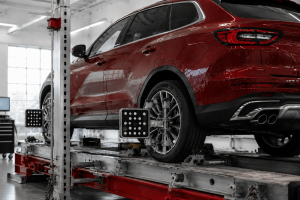
At Dent Buster Auto Body Repair, we work with all major insurance companies and handle the claims process on your behalf. Our team of certified technicians uses computerized color matching, manufacturer-approved repair procedures, and state-of-the-art equipment to restore your vehicle to pre-accident condition — not just get it back on the road.
Step 10: Keep a Record of Everything
From the day of the accident forward, maintain a clear record of everything related to the collision. This includes all correspondence with your insurance company, all medical appointments and treatments, all repair estimates and invoices, and any time you have missed from work due to the accident or its aftermath. This documentation protects you throughout the claim process and, if necessary, in any legal proceeding.
What Not to Do After an Accident
- Do not admit fault at the scene — even an apology can be interpreted as an admission of liability
- Do not sign any documents at the scene unless required by police
- Do not leave the scene before police arrive if anyone is injured
- Do not post about the accident on social media — insurance companies and opposing legal teams monitor these
- Do not accept an immediate settlement offer without understanding the full extent of your vehicle damage and any injuries
Dent Buster Is Here When You Need Us
At Dent Buster Auto Body Repair, we understand that dealing with the aftermath of an accident is stressful enough without having to worry about whether your car is being properly fixed. Our New York team handles complete collision repair, frame and alignment restoration, computerized color matching, and insurance claims assistance — all under one roof.
From the moment you bring your car to us, we take over the communication with your insurance company, provide you with a thorough damage assessment, and keep you informed at every stage of the repair process. Your job is to focus on recovering. Ours is to get your vehicle back to the way it was before the accident.
Been in a collision? Contact Dent Buster Auto Body Repair today for a free estimate. We handle the insurance so you don’t have to. Call us or stop by — New York’s trusted collision repair specialists.