Introduction
After an accident, choosing where to have your car repaired is one of the most important decisions you will make. The quality of the repair affects your vehicle’s safety, its resale value, how it drives, and whether issues emerge down the road. Yet many drivers choose a body shop based on whoever their insurance company suggests — without realising they have the right to choose their own shop and that this choice genuinely matters.
In New York, where auto body shops range from excellent to far less so, knowing what to look for protects you from a poor repair experience. This guide gives you a clear framework for evaluating any body shop—so you can make a confident, informed choice.
Know Your Rights: You Choose the Shop
Under New York State law, you have the absolute right to choose which auto body shop repairs your vehicle after an accident. Your insurance company does not have the authority to require you to use a specific shop. They may recommend one from their Direct Repair Program network, but these shops are chosen for efficiency and cost control — not necessarily because they deliver the highest quality repairs.
You are free to take your vehicle to any licensed auto body shop of your choosing. Your insurer is required to pay for the repair at a qualified facility. Knowing this right is the first step to choosing well.
What to Look for in a New York Auto Body Shop
1. Certifications and Training
The most reliable indicator of technical competence is certification. Look for shops that hold certifications from major vehicle manufacturers or recognized industry bodies. Certified shops have met specific technical standards, use approved repair procedures, and have technicians who receive ongoing training. Ask any shop you are considering what certifications they hold and for which vehicle makes.
At Dent Buster Auto Body Repair, our technicians are trained and certified to work on a wide range of vehicles, and we stay current with manufacturer repair procedures and evolving vehicle technologies.
2. Modern Equipment
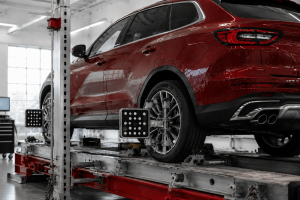
Collision repair in the modern era requires sophisticated equipment. A shop working on today’s vehicles needs computerized frame measurement and pulling systems, a professional spray booth with proper temperature and air quality control, computerized paint mixing and color matching systems, and diagnostic equipment for modern vehicle electronics.
A shop that lacks this equipment cannot properly repair a modern vehicle regardless of how skilled their technicians are. When you visit a shop, look at the facility. Is it clean and organized? Does the equipment look professional and well-maintained? These are indicators of how seriously the shop takes the quality of its work.
3. Written Estimates and Transparent Pricing
Any reputable body shop should provide you with a written estimate that itemizes every repair task, every part being replaced, and every labor charge. Verbal estimates are not sufficient. If a shop is reluctant to put things in writing, that is a warning sign.
The estimate should also clearly identify whether parts are OEM, aftermarket, or salvaged — this matters for your vehicle’s safety, warranty, and resale value. Ask directly if it is not stated.
4. Experience With Insurance Claims
Insurance claim management is a significant part of any collision repair. A shop that handles insurance claims efficiently — knows how to document damage thoroughly, how to submit supplemental claims, and how to communicate with adjusters — will experience fewer delays and ensure that every aspect of your damage is properly covered. Ask how the shop handles insurance and whether they communicate with your insurer directly.
5. Warranty on Repairs
A shop that stands behind its work will offer a written warranty on the repairs performed. Industry standard warranties vary, but any reputable shop should offer at least a warranty on workmanship and on the paint finish. Ask for the warranty terms in writing before you authorize any repairs.
6. Reviews and Reputation
Genuine customer reviews on Google, Yelp, and similar platforms give you real-world evidence of a shop’s quality and customer service. Look at the volume of reviews, the overall rating, and — importantly — how the shop responds to any negative reviews. A shop that engages professionally with criticism demonstrates accountability.
Ask neighbors, colleagues, or community members for recommendations. Word of mouth from people in New York who have had first-hand experience with a shop is valuable, particularly for local neighborhoods and boroughs where reputation matters.
7. Clear Communication and Responsiveness
Your experience of working with a body shop depends heavily on communication. A shop that does not return calls promptly, fails to keep you updated on your repair’s progress, or is vague about timelines and costs is a shop that will frustrate you throughout the process. Your first interaction with any shop — how quickly they respond, how clearly they communicate, how willing they are to answer questions — is a reliable preview of the entire experience.
Red Flags to Watch Out For
- Very low estimates that seem too good to be true — these often involve cutting corners on parts quality, repair procedures, or paint preparation
- Pressure to authorize repairs immediately before you have had time to compare quotes
- Reluctance to provide written estimates or warranty terms
- Unfamiliarity with your vehicle’s make or model
- A facility that appears disorganized, dirty, or poorly equipped
- Suggestions to use salvaged structural parts on a collision repair
The Insurance Company’s Recommended Shop: Should You Use It?
Insurance companies have direct repair program shops that they work with regularly. These shops are often efficient and may offer the convenience of direct billing. However, they operate within constraints set by the insurer — including parts cost limits and labor rate caps that can influence the quality of the repair. They are not independent advocates for your vehicle.
This does not mean DRP shops are necessarily bad. But it does mean you should evaluate them by the same standards you would apply to any other shop — not assume that your insurer’s recommendation is automatically the best choice for you.
Why New York Drivers Choose Dent Buster
At Dent Buster Auto Body Repair, we have built our reputation in New York on quality work, transparent communication, and a customer experience that takes the stress out of collision repair. We provide written estimates, offer warranties on all work, handle insurance directly, and use computerized color matching to ensure your car leaves looking exactly as it should.
We invite every potential customer to visit our facility, meet our team, and ask any question they have before making a decision. The right body shop has nothing to hide.
Choosing a body shop after an accident in New York? Come visit Dent Buster Auto Body Repair for a free estimate and see our facility for yourself.