Introduction
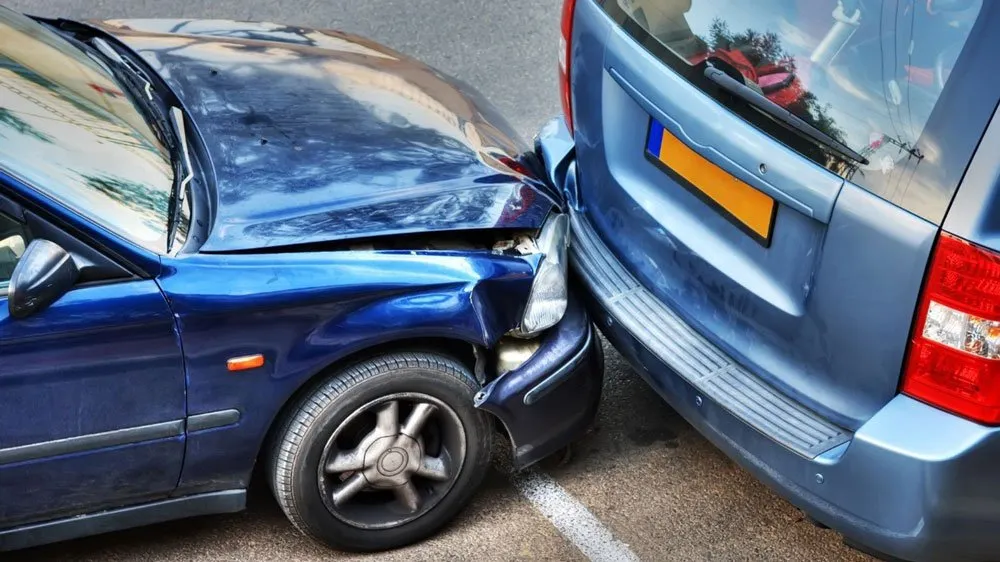
After a collision, one of the first things every driver wants to know is: how bad is it really? The answer is not always as obvious as it appears. Some accidents that look significant from the outside cause surprisingly contained damage. Others that appear minor — a low-speed tap in a parking lot, a gentle bump at a stop sign — can cause structural or mechanical damage that is completely invisible to an untrained eye.
Understanding the difference between a true minor fender bender and damage that requires comprehensive professional repair is not just about the repair cost. It is about your safety, your car’s structural integrity, and the long-term value of your vehicle.
What Counts as a True Fender Bender?
In casual usage, a fender bender refers to any low-speed collision that results in cosmetic damage without serious injury. In practical terms, a true minor collision is one that:
- Occurred at low speed — typically under 10 miles per hour
- Caused surface-level cosmetic damage such as paint scuffs, shallow scratches, or small dents to a single panel
- Did not deploy any airbags
- Did not visibly affect the vehicle’s structural components — frame, crumple zones, or mounting points
- Left all lights, doors, and mechanical systems fully functional
If all of these conditions are met, the damage is genuinely minor and can typically be addressed with paintless dent repair, a touch-up, or a single panel repaint. This is the category where a quick, straightforward fix is appropriate.
Warning Signs That Your Damage Is More Serious Than It Looks
The challenge with collision damage is that modern vehicles are engineered to absorb impact in ways that are not always visible. Here are the warning signs that the damage to your car goes beyond the surface:
Doors, Hood, or Trunk That No Longer Open or Close Properly
Body panels that no longer align correctly after a collision are a strong indicator of structural movement. If a door feels stiff, does not latch cleanly, or has a visible gap at the edges that was not there before, the car’s frame or the door’s mounting points have likely been affected. This is not a cosmetic issue — it is a structural one.
Visible Creasing or Buckling Beyond the Impact Point
Dents and creases directly at the point of impact are expected in any collision. But creasing or buckling that extends beyond the immediate impact area — spreading to adjacent panels, to the pillar, or to the floor pan — indicates that the collision energy propagated through the vehicle structure. This is the definition of structural damage.
Your Car Pulls to One Side While Driving
If your car now pulls left or right when you drive straight on a level road, the collision has affected your wheel alignment, suspension geometry, or — in more serious cases — the frame itself. This is both a safety concern and an indicator of structural damage that requires professional assessment and repair.
Fluid Leaks Under the Car
Any fluid appearing under your vehicle after a collision should be investigated immediately. Engine oil, coolant, transmission fluid, and brake fluid all have characteristic colors and locations. A collision that caused fluid leaks has reached the mechanical systems — this is not a cosmetic repair situation.
Airbag Warning Lights or Any Dashboard Warning Lights
Modern vehicles are equipped with sensors throughout the chassis that monitor impact and structural integrity. If any warning lights illuminate after a collision — airbag, stability control, or structural warning indicators — the vehicle’s sensors have detected an issue that requires professional diagnosis, not just visual inspection.
Cracked or Displaced Bumper Absorbers
Modern bumpers consist of a cosmetic outer cover and an inner energy-absorbing foam or plastic structure. In many low-speed collisions, the outer cover looks intact while the inner absorber has been compressed or cracked. This absorber needs to be intact to protect you in a subsequent collision — and its damage is often not visible without removing the outer bumper cover.
The Hidden Damage Problem: Why You Cannot Always Trust What You See
One of the most common mistakes drivers make after a fender bender is to look at the visible damage, decide it is minor, and either leave it unrepaired or take it to an unqualified shop that only addresses what is visible.
The problem is that modern vehicle construction is designed with crumple zones — sections engineered to absorb collision energy and protect the occupants. These zones work by deforming in a controlled way. That deformation is often internal and not visible from outside the vehicle. A car that looks slightly dented on the outside may have significant crumple zone damage that affects its ability to protect you in a future collision.
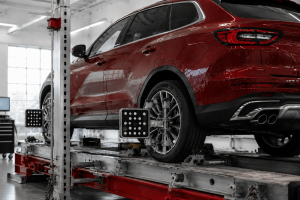
At Dent Buster Auto Body Repair, we never assess damage purely visually. Every collision vehicle goes through a structural inspection using our frame alignment equipment to detect any dimensional changes that indicate hidden damage. What you cannot see can still matter enormously.
Impact Speed Is Not the Only Factor
Many drivers assume that low-speed collisions are automatically minor. This is not always accurate. The outcome of any collision depends on the speed, the angle of impact, the point of contact, and the structural characteristics of the vehicles involved. A low-speed impact directly to a structural member can cause more significant damage than a higher-speed impact to a well-engineered crumple zone. Speed alone is not a reliable indicator of damage severity.
What to Do If You Are Unsure
If you are not certain whether your damage is truly minor, the right answer is always to have it professionally assessed. A thorough inspection by a qualified auto body technician takes a short amount of time and gives you a definitive picture of what you are dealing with. Attempting to save money by assuming damage is minor when it is not is one of the most expensive decisions a driver can make — both in repair costs and, more importantly, in safety.
Dent Buster Auto Body Repair offers free damage assessments for New York drivers. Our technicians will inspect your vehicle thoroughly, explain exactly what they find, and give you an honest recommendation — whether that is a quick PDR touch-up or a full structural repair. We will never recommend more repair than your vehicle actually needs.
Conclusion
The difference between a true fender bender and a more serious collision is not always visible on the surface. Structural movement, hidden absorber damage, alignment shifts, and sensor triggers are all indicators that require professional attention regardless of how the damage looks from the outside. When in doubt, get it checked. A free assessment from a qualified body shop costs you nothing and could save you thousands — and in the worst case, could protect your safety.
🔧 Not sure how serious your collision damage is? Stop by Dent Buster Auto Body Repair for a free inspection. Our certified technicians will give you an honest assessment with no obligation — New York’s trusted collision experts.